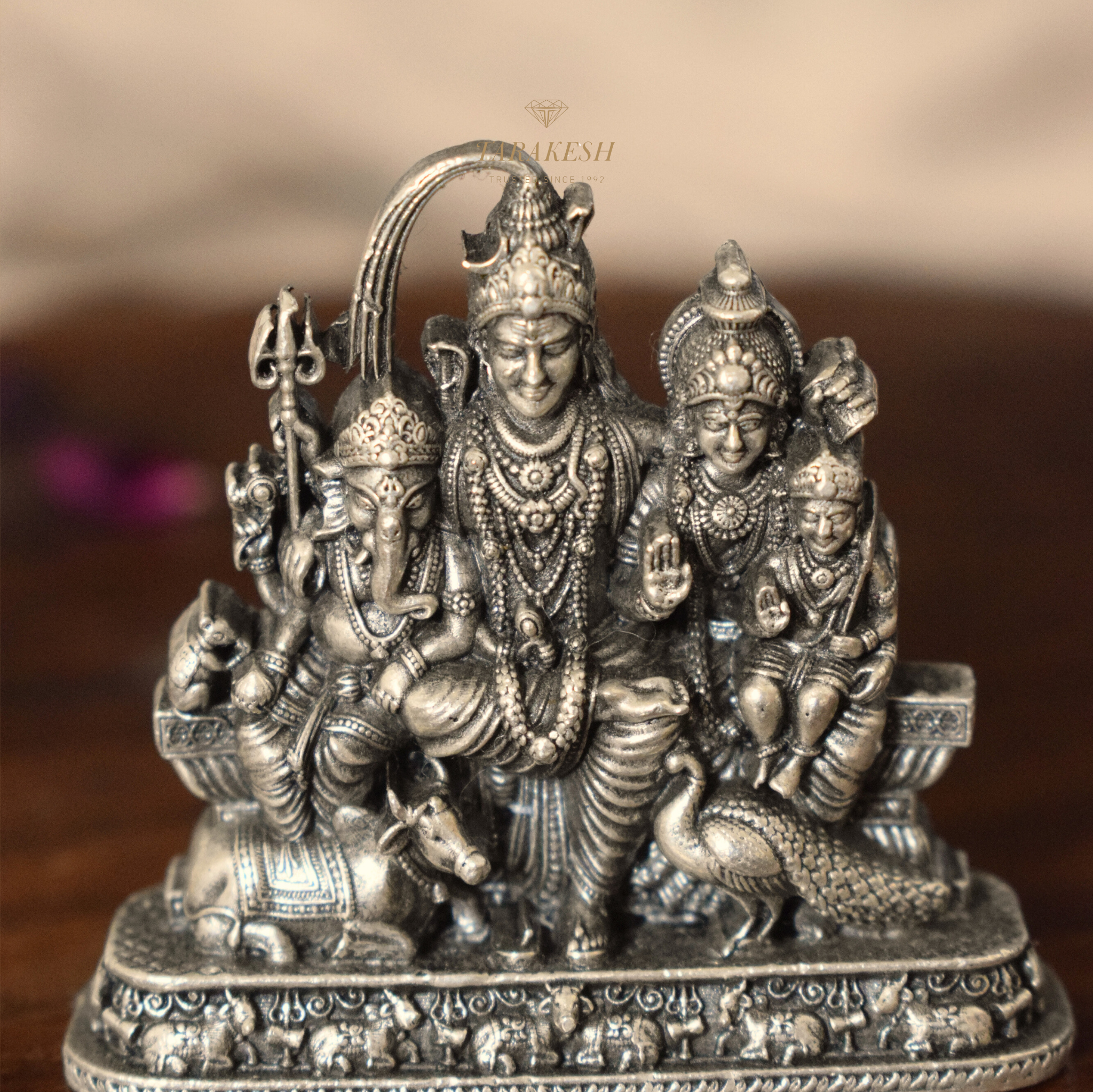
Long before modern roads reached the hills of southern India, pilgrims would climb a steep path carrying prayers in their hearts. The journey was slow, but every step was filled with devotion. At the top of this sacred hill stands one of the most important temples dedicated to Lord Murugan — the Palani Murugan Temple.
Today, this temple attracts millions of devotees each year. But behind its fame lies a deep history that combines legend, spiritual wisdom, and ancient temple architecture.

The Sacred Hill of Palani
The Palani Murugan Temple is located in the town of Palani in Tamil Nadu. The temple sits on a hill called Sivagiri Hill, and devotees climb more than 600 steps to reach the sanctum.
This temple is one of the Arupadai Veedu, the six sacred abodes of Lord Murugan. These six temples are considered the most powerful pilgrimage sites for Murugan devotees.
The Mythological Story Behind the Temple
According to ancient Hindu tradition, the origin of the temple is connected to a famous story involving Lord Murugan and his brother Ganesha.
Once, their parents announced that whoever circled the world three times first would receive a divine fruit of knowledge. Lord Murugan immediately began traveling around the world on his peacock.
However, Ganesha simply walked around his parents, believing they represented the entire universe. Pleased with his wisdom, the fruit was given to him.
When Murugan returned and saw this, he felt disappointed and left for the hills of Palani to meditate. There he stood as Dhandayuthapani Swamy, a youthful ascetic holding a staff.
This spiritual moment is believed to be the origin of the Palani temple.
Who Built the Palani Murugan Temple?
The temple is believed to have been originally established by ancient Tamil kings. However, the most important historical contributions were made during the Pandya dynasty, which ruled parts of South India for centuries.
Later, rulers of the Nayak dynasty expanded and developed the temple structure, adding corridors, towers, and temple halls.
Over time, many kings, saints, and devotees helped shape the temple into the grand pilgrimage site it is today.
The Unique Idol of Lord Murugan
One of the most fascinating aspects of the Palani temple is its idol. The idol of Lord Murugan is believed to have been created by the legendary sage Bogar, a revered Siddhar and spiritual master.
According to tradition, the idol was made using a rare mixture of medicinal herbs and minerals known as Navapashanam. This sacred composition is believed to have healing properties.
Even today, devotees consider the temple’s sacred offerings to be spiritually and physically beneficial.
The Famous Palani Temple Rituals
The temple is known for its powerful rituals and traditions. Some of the most important include:
-
Kavadi offering during Thaipusam festival
-
Abhishekam (sacred bathing of the idol)
-
Hair offerings by devotees seeking blessings
-
Daily pooja and temple processions
Festivals like Thaipusam and Panguni Uthiram attract huge numbers of pilgrims from across India and the world.
A Sacred Pilgrimage That Continues Today
For centuries, devotees have climbed the Palani hill seeking guidance, strength, and blessings from Lord Murugan.
Despite modern changes, the temple still holds the same spiritual power that pilgrims experienced long ago. The journey up the hill remains a symbol of devotion, discipline, and surrender.

Bringing Murugan’s Blessings into Your Home
For those who feel inspired by the devotion connected to Lord Murugan, you may wish to explore our divine collection of sacred silver pendants and spiritual jewellery, thoughtfully crafted to reflect faith, purity, and timeless devotion.
These sacred pieces help keep the spirit of Murugan close in daily life.
Final Thought
The Palani Murugan Temple is more than an ancient structure. It is a place where myth, history, and faith come together.
Every pilgrim who climbs the hill carries a different wish, but they all leave with the same feeling — a sense of peace and connection with something greater.